Data Analytics Course
Career-focused professional training Data Analytics Training Course Become a Job-Ready Data Analyst with industry-oriented training. Learn how to collect, clean, analyze and visualize data to make smarter business decisions. Gain hands-on experience with industry-leading tools,…
Enquire About This Course →
About This Course
Data Analytics Training Course
Become a Job-Ready Data Analyst with industry-oriented training. Learn how to collect, clean, analyze and visualize data to make smarter business decisions. Gain hands-on experience with industry-leading tools, real-world projects and practical assignments.
Enroll Now Explore CurriculumCourse Features
- ✓Beginner to advanced-level training
- ✓Industry-relevant curriculum
- ✓Hands-on practical sessions
- ✓Real-time projects and case studies
- ✓Expert-led training sessions
- ✓Career guidance and interview preparation
Duration depends on the learning schedule and training mode.
Transform Raw Data into Meaningful Business Insights
The Data Analytics course is designed to help learners develop the technical and analytical skills required to transform raw data into meaningful business insights.
You will learn essential tools and technologies such as Excel, SQL, Python, Power BI and Tableau while working on real-world datasets and business scenarios.
Get Course Details

Develop Practical, Industry-Relevant Skills
- Understand data analytics concepts and methodologies.
- Work with structured and unstructured datasets.
- Perform data cleaning and data transformation.
- Analyze data using Excel and SQL.
- Write Python programs for data analysis.
- Create interactive dashboards using Power BI and Tableau.
- Perform exploratory data analysis (EDA).
- Identify trends, patterns, and business insights.
- Present analytical findings through data visualization.
- Work on real-world data analytics projects.
What You Will Learn
A structured learning path from analytics fundamentals and Excel to SQL, Python, Power BI, Tableau, real-time projects and career preparation.
MODULE 01Introduction to Data Analytics
- Introduction to Data Analytics
- What is Data Analytics?
- Types of Data Analytics
- Descriptive, Diagnostic, Predictive and Prescriptive Analytics
- Data Analytics Lifecycle
- Data Analyst Roles and Responsibilities
- Industry Applications of Data Analytics
MODULE 02Excel for Data Analytics
- Introduction to MS Excel
- Data Entry and Formatting
- Sorting and Filtering
- Data Cleaning Techniques
- Formulas and Functions
- IF, SUMIF, COUNTIF and VLOOKUP
- XLOOKUP and INDEX-MATCH
- Pivot Tables and Pivot Charts
- Conditional Formatting
- Excel Dashboards
MODULE 03SQL for Data Analytics
- Introduction to Databases
- DBMS and RDBMS Concepts
- SQL Installation and Environment Setup
- DDL, DML, DQL and DCL Commands
- SELECT, WHERE, ORDER BY and GROUP BY
- Aggregate Functions
- Joins and Subqueries
- Primary and Foreign Keys
- Constraints
- CTEs and Views
- Window Functions
- Real-Time SQL Queries
MODULE 04Python Programming for Data Analytics
- Introduction to Python
- Python Installation and Setup
- Variables and Data Types
- Operators and Conditional Statements
- Loops and Functions
- Lists, Tuples, Sets and Dictionaries
- File Handling
- Exception Handling
- Working with Jupyter Notebook
MODULE 05Python Libraries for Data Analysis
- Introduction to NumPy
- Array Operations
- Introduction to Pandas
- Series and DataFrames
- Data Loading and Exporting
- Data Cleaning and Preprocessing
- Handling Missing Values
- Data Filtering and Aggregation
- Data Manipulation
- Introduction to Matplotlib
- Data Visualization using Seaborn
MODULE 06Exploratory Data Analysis (EDA)
- Introduction to EDA
- Understanding Dataset Structures
- Data Profiling
- Univariate Analysis
- Bivariate Analysis
- Multivariate Analysis
- Correlation Analysis
- Outlier Detection
- Statistical Analysis
- Data Distribution and Visualization
MODULE 07Statistics for Data Analytics
- Introduction to Statistics
- Mean, Median and Mode
- Variance and Standard Deviation
- Probability Concepts
- Probability Distributions
- Sampling Techniques
- Hypothesis Testing
- Correlation and Regression
- Statistical Interpretation
MODULE 08Power BI
- Introduction to Power BI
- Power BI Desktop Installation
- Connecting Different Data Sources
- Data Transformation using Power Query
- Data Modeling
- Relationships and Cardinality
- DAX Fundamentals
- Calculated Columns and Measures
- Data Visualization
- Interactive Reports and Dashboards
- Power BI Service
- Publishing and Sharing Reports
MODULE 09Tableau
- Introduction to Tableau
- Tableau Architecture
- Connecting Data Sources
- Dimensions and Measures
- Charts and Graphs
- Filters and Parameters
- Calculated Fields
- Dashboards and Stories
- Interactive Visualizations
- Publishing Tableau Reports
MODULE 10Business Intelligence and Data Storytelling
- Introduction to Business Intelligence
- KPI Identification
- Business Metrics and Reporting
- Dashboard Design Principles
- Data-Driven Decision Making
- Data Storytelling Techniques
- Business Reporting
MODULE 11Real-Time Projects and Case Studies
- Sales Data Analysis
- Customer Segmentation Analysis
- E-commerce Data Analysis
- Employee Performance Analysis
- Financial Data Analysis
- Marketing Campaign Analysis
- Interactive Dashboard Development
- End-to-End Data Analytics Project
MODULE 12Interview Preparation and Career Development
- Data Analytics Interview Questions
- Excel Interview Preparation
- SQL Interview Preparation
- Python Interview Preparation
- Power BI Interview Preparation
- Resume Building
- LinkedIn Profile Optimization
- Portfolio Development
- Mock Interviews
- Career Guidance
Learn the Tools Used by Data Analysts
Microsoft Excel
Formulas, pivot tables and dashboards
SQL
Querying and managing data
Python
NumPy, Pandas, Matplotlib and Seaborn
Power BI
Interactive reports and dashboards
Tableau
Visual analytics and storytelling
Jupyter
Notebook-based data analysis
Work on Real-World Data Analytics Projects
Gain practical experience by working on industry-oriented projects.

1. Sales Performance Analysis
Analyze sales trends, revenue growth, product performance, and regional sales.

2. E-Commerce Data Analysis
Analyze customer purchasing patterns, product categories, and customer behavior.

3. HR Analytics
Analyze employee attrition, performance, attendance, and workforce trends.
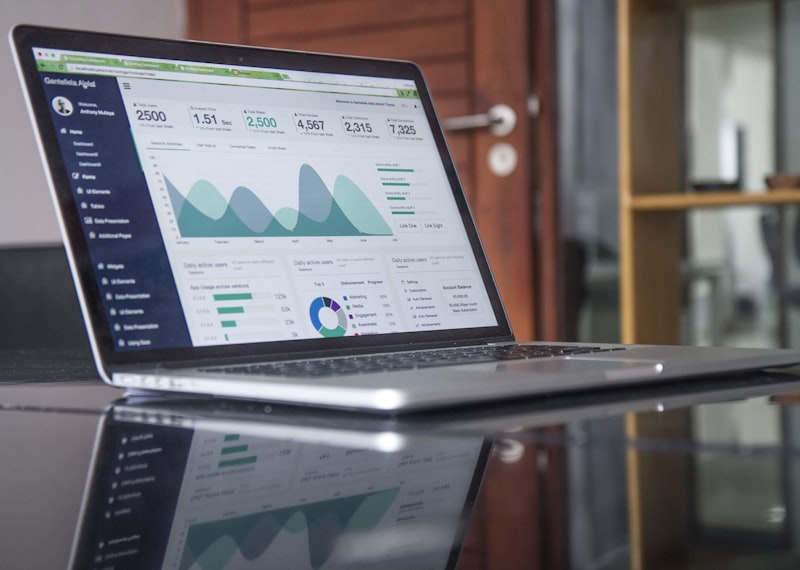
4. Financial Data Analysis
Analyze expenses, profits, budgets, and financial performance.
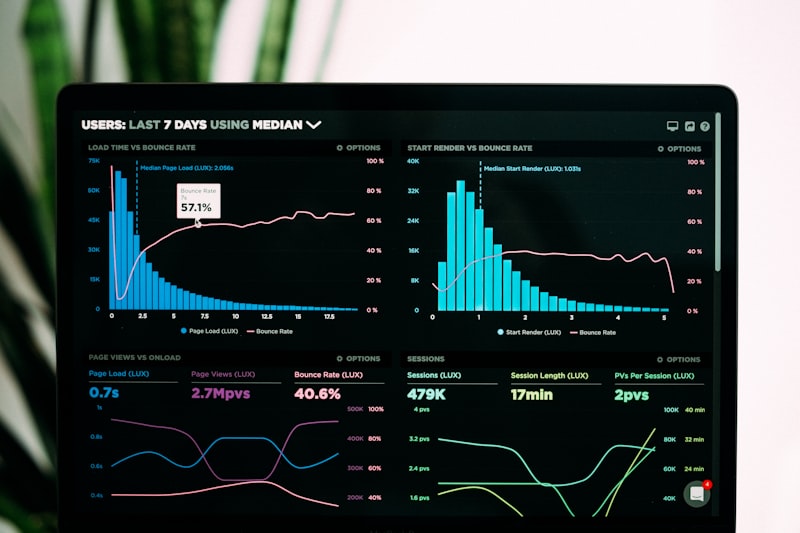
5. Marketing Analytics
Analyze campaign performance, conversion rates, and customer engagement.
Is This Course Right for You?
This course is suitable for:
- College students and graduates.
- Freshers looking to enter the IT industry.
- Working professionals seeking career advancement.
- Software developers interested in analytics.
- Business and finance professionals.
- Non-technical candidates interested in data analytics.
- Professionals planning a career transition.
Prerequisites: No prior programming experience is required. Basic computer knowledge and an interest in working with data are sufficient.

Explore Career Paths in Data Analytics
After completing the training, learners can explore roles such as:
Why Choose Our Data Analytics Training?
Expert-Led Training
Learn from experienced industry professionals.
Practical Learning
Practice with tools, datasets, and assignments.
Live Projects
Build practical skills through real-world projects.
Flexible Learning
Learn through flexible online learning options.
Course Certification
Earn a certificate after successful completion.
Career Support
Get guidance for resumes and interviews.
Course Details at a Glance
| Course Details | Information |
|---|---|
| Course Name | Data Analytics |
| Skill Level | Beginner to Advanced |
| Course Mode | Online / Live / Self-Paced |
| Training Type | Practical & Project-Based |
| Duration | 3–6 Months |
| Certification | Course Completion Certificate |
| Learning Approach | Theory + Practical + Projects |
Data Analytics Course FAQs
1. What is Data Analytics?
Data Analytics is the process of collecting, cleaning, processing, and analyzing data to identify useful insights and support business decisions.
2. Can beginners learn Data Analytics?
Yes. This course starts with fundamental concepts and gradually introduces advanced tools and techniques.
3. Do I need coding knowledge to learn Data Analytics?
No. Previous coding knowledge is not mandatory. Python and SQL programming are taught from the basics.
4. What tools are covered in this course?
The course covers Excel, SQL, Python, Power BI, Tableau, NumPy, Pandas, Matplotlib, and Seaborn.
5. What is the duration of the course?
The course can be completed in approximately 3–6 months, depending on the learning schedule and training mode.
6. Will I work on real-time projects?
Yes. Learners work on practical assignments, datasets, business case studies, and end-to-end projects.
7. What career opportunities are available after completing the course?
Learners can pursue opportunities in data analytics, business intelligence, reporting, and data visualization.
8. Will I receive a certificate?
Yes. A course completion certificate can be provided upon meeting the course completion requirements.
Enroll in Our Data Analytics Training Today!
Start your journey toward becoming a skilled Data Analyst. Develop in-demand technical skills, gain hands-on experience, and learn how to convert data into actionable business insights. Build skills. Analyze data. Create opportunities.
Enroll Now