Software Testing Course
Career-focused professional training Software Testing Training Course Become a Skilled Software Tester with industry-oriented training. Learn Manual Testing, Automation Testing, Selenium, Java, API Testing, SQL and industry-standard testing tools through practical, hands-on learning. Enroll Now…
Enquire About This Course →
About This Course
Software Testing Training Course
Become a Skilled Software Tester with industry-oriented training. Learn Manual Testing, Automation Testing, Selenium, Java, API Testing, SQL and industry-standard testing tools through practical, hands-on learning.
Enroll Now Explore CurriculumWhat You Will Learn
- ✓Manual Testing and Test Documentation
- ✓Java, Selenium and TestNG
- ✓API Testing with Postman
- ✓SQL and Database Testing
- ✓Performance and Mobile Testing
- ✓Real-Time Testing Projects
Duration depends on the training schedule and learning path.
Build a Successful Career in Software Testing
Build a successful career in software testing with our comprehensive Software Testing Training Course. Our program is designed to help beginners and working professionals understand software quality assurance, identify application defects, automate test cases and deliver high-quality software products.
Gain practical experience through real-time projects, assignments and industry-based testing scenarios.
Get Course Details
Ensure Quality, Reliability and a Seamless User Experience
Software Testing plays an important role in software development by ensuring that applications meet quality standards, function correctly and provide a seamless user experience.
Testing Lifecycle
Understand the software development and testing lifecycle.
Defect Reporting
Identify, analyze and report software defects.
Test Design
Develop effective test cases and test scenarios.
Manual and Automation
Perform manual and automated testing.
Web, Mobile and APIs
Validate web applications, mobile applications and APIs.
Career Skills
Build skills for in-demand QA and testing roles.

Develop Practical, Industry-Relevant Skills
- Understand the software development and testing lifecycle.
- Identify, analyze, and report software defects.
- Develop effective test cases and test scenarios.
- Perform manual and automated testing.
- Validate web applications, mobile applications, and APIs.
- Improve software quality and reliability.
- Build skills for in-demand QA and testing roles.
What You Will Learn
Our Software Testing training program covers fundamental to advanced testing concepts with practical implementation.
MODULE 01Introduction to Software Testing
- Fundamentals of Software Testing
- Importance of Software Quality Assurance
- Objectives of Software Testing
- Verification and Validation
- Software Testing Principles
- Types of Software Testing
- Software Testing Life Cycle (STLC)
- Software Development Life Cycle (SDLC)
- Roles and Responsibilities of a Software Tester
MODULE 02Manual Testing
- Introduction to Manual Testing
- Functional and Non-Functional Testing
- Black Box, White Box and Grey Box Testing
- Smoke Testing and Sanity Testing
- Regression Testing and Retesting
- Integration, System and Acceptance Testing
- Exploratory Testing and Ad-hoc Testing
MODULE 03Software Testing Documentation
- Understanding Business Requirements
- Requirement Analysis
- Test Plan Preparation and Test Strategy
- Test Scenarios and Test Case Design
- Test Data Preparation
- Test Execution
- Defect Reporting and Test Closure Reports
- Requirement Traceability Matrix (RTM)
MODULE 04Defect and Bug Life Cycle
- Introduction to Software Defects
- Bug Identification and Reporting
- Defect Life Cycle
- Defect Severity and Priority
- Bug Tracking Process
- Defect Status Management
- Root Cause Analysis
- Defect Management Best Practices
MODULE 05Agile and Scrum Methodology
- Introduction to Agile Methodology
- Agile Manifesto and Principles
- Scrum Framework, Roles and Responsibilities
- Product Backlog and Sprint Backlog
- Sprint Planning and Daily Stand-up Meetings
- Sprint Review and Retrospective
- User Stories and Acceptance Criteria
- Agile Testing Methodology
- Continuous Integration and Continuous Delivery (CI/CD) Fundamentals
MODULE 06SQL and Database Testing
- Introduction to Databases and Database Concepts
- SQL Fundamentals
- SELECT, INSERT, UPDATE and DELETE
- WHERE and ORDER BY Clauses
- Aggregate Functions, GROUP BY and HAVING
- Joins and Subqueries
- Data Validation
- Database Testing Techniques
MODULE 07Java Programming for Automation Testing
- Introduction to Java and Development Environment Setup
- Variables, Data Types and Operators
- Control Statements, Conditional Statements and Loops
- Arrays and Strings
- Classes, Objects, Methods and Constructors
- Inheritance and Polymorphism
- Encapsulation and Abstraction
- Exception Handling
- Collections Framework and File Handling
MODULE 08Selenium Automation Testing
- Introduction to Automation Testing
- Selenium Architecture and WebDriver Setup
- Browser Automation
- Locators in Selenium and WebElement Methods
- Handling Dropdowns, Alerts, Pop-ups, Frames and Windows
- Mouse and Keyboard Actions
- Waits in Selenium and Handling Dynamic Web Elements
- JavaScript Executor and Screenshot Capturing
- Data-Driven Testing and Cross-Browser Testing
MODULE 09TestNG Framework
- Introduction to TestNG
- TestNG Annotations and Assertions
- TestNG XML Configuration
- Test Grouping
- Parameterization and Data Providers
- Parallel Test Execution
- Test Reports
- TestNG Integration with Selenium
MODULE 10Maven and Build Management
- Introduction to Maven
- Maven Installation and Configuration
- Project Object Model (POM)
- Dependency Management
- Maven Project Structure
- Running Selenium Tests Using Maven
- Build Lifecycle
- Maven Integration with TestNG
MODULE 11API Testing
- Introduction to API Testing and REST APIs
- HTTP Methods (GET, POST, PUT, PATCH, DELETE)
- HTTP Status Codes
- Request and Response Validation
- Headers and Parameters
- JSON and XML Fundamentals
- REST API Testing Using Postman
- Authentication and Authorization
- API Test Collections and API Automation Fundamentals
MODULE 12Performance Testing Fundamentals
- Introduction to Performance Testing
- Load Testing and Stress Testing
- Scalability Testing and Endurance Testing
- Performance Testing Metrics
- Response Time and Throughput
- Introduction to JMeter
- Creating and Executing Basic Test Plans
MODULE 13Mobile Application Testing
- Introduction to Mobile Testing
- Android and iOS Testing Fundamentals
- Mobile Application Testing Types
- Mobile UI Testing
- Compatibility Testing
- Installation and Usability Testing
- Introduction to Appium Automation
MODULE 14CI/CD and Automation Integration
- Introduction to Continuous Integration and Jenkins
- Jenkins Installation and Configuration
- Creating Jenkins Jobs
- Running Automated Test Scripts
- Git and GitHub Fundamentals and Version Control Basics
- Integrating Selenium with Jenkins
- Automation Test Execution Reports
MODULE 15Real-Time Projects and Practical Training
- Project 1: E-Commerce Website Testing
- Project 2: Banking Application Testing
- Project 3: Selenium Automation Project
- Project 4: REST API Testing
Work on Real-Time Testing Projects
Gain practical experience by working on industry-oriented testing projects.

Project 1: E-Commerce Website Testing
Requirement analysis, test scenario preparation, functional test case development, shopping cart and checkout testing, and defect reporting.

Project 2: Banking Application Testing
Login and authentication testing, transaction testing, account management validation, database testing and security testing fundamentals.
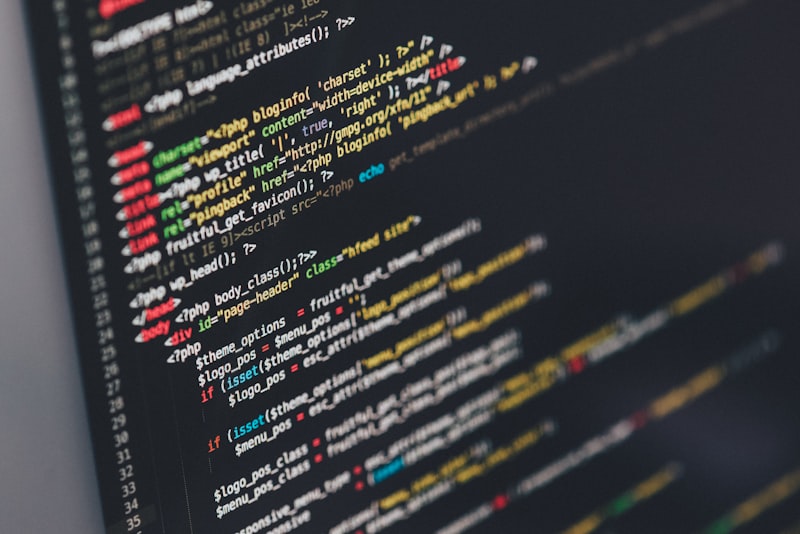
Project 3: Selenium Automation Project
Selenium WebDriver implementation, automation framework development, TestNG integration, data-driven testing and automated reporting.

Project 4: REST API Testing
API request validation, response verification, status code and data validation, and Postman collection execution.
Learn the Tools Used by Software Testers
Testing Tools
Selenium WebDriver, Postman, JMeter, Appium, TestNG
Programming Language
Java
Database
SQL
Build and CI/CD Tools
Maven, Jenkins, Git, GitHub
Project Management and Defect Tracking
Jira
Is This Course Right for You?
Our Software Testing course is suitable for:
- Fresh graduates looking to start a career in IT.
- Students interested in software quality assurance.
- Working professionals planning to transition into testing.
- Manual testers looking to learn automation testing.
- Developers interested in software quality and testing.
- IT professionals looking to upgrade their technical skills.
- Job seekers preparing for software testing roles.
Prerequisites: Basic computer knowledge and an interest in software applications. No prior software testing experience is required for beginners.

Explore Career Paths in Software Testing
After completing the Software Testing training program, you can prepare for roles such as:
Why Choose Our Software Testing Training Program?
Industry-Relevant Curriculum
Learn concepts aligned with current industry practices.
Beginner-Friendly
Progress from testing fundamentals to automation.
Experienced Mentors
Learn from experienced trainers and mentors.
Hands-On Tool Experience
Practice manual and automation testing with industry tools.
Real-Time Projects
Work on industry-based testing projects.
Career Preparation
Structured assessments, interview preparation and career guidance.
Learn by Doing. Build Skills with Practice.
Our learning approach focuses on practical knowledge and real-world implementation.
- Live instructor-led training sessions.
- Step-by-step practical demonstrations.
- Real-time project assignments.
- Manual and automation testing exercises.
- Practical tool-based learning.
- Doubt-clearing and mentoring sessions.
- Interview preparation.
- Hands-on assessments.

Software Testing Course FAQs
1. What is Software Testing?
Software Testing is the process of evaluating software applications to identify defects and ensure that they meet specified requirements and quality standards.
2. Can beginners learn Software Testing?
Yes. Beginners can start with software testing fundamentals and Manual Testing before progressing to Automation Testing and advanced testing concepts.
3. Do I need programming knowledge to join this course?
No prior programming knowledge is required. The course covers Java fundamentals before introducing Selenium Automation Testing.
4. What is the difference between Manual Testing and Automation Testing?
Manual Testing involves executing test cases manually without automation scripts, whereas Automation Testing uses tools and scripts to execute predefined test cases automatically.
5. How long does it take to complete the Software Testing course?
The course duration depends on the training schedule and learning path. A comprehensive Software Testing program generally takes 3–6 months.
6. Will I learn Selenium Automation Testing?
Yes. You will learn Selenium WebDriver with Java, TestNG, Maven, and practical automation framework concepts.
7. Will I work on real-time projects?
Yes. You will work on practical projects covering e-commerce applications, banking systems, API testing, and Selenium automation.
8. Is Software Testing a good career option for freshers?
Yes. Software Testing offers career opportunities for fresh graduates who develop strong testing fundamentals, analytical skills, and practical tool knowledge.
9. Will I receive a course completion certificate?
Learners who successfully complete the course requirements can receive a course completion certificate, subject to the platform's certification policy.
10. Can I learn Software Testing online?
Yes. Online training allows you to learn through instructor-led sessions, recorded lessons, practical exercises, assignments, and project work.
Start Your Software Testing Career Today!
Take the first step toward becoming a Software Testing Professional. Master Manual Testing, Automation Testing, Selenium, Java, API Testing and industry-standard tools through practical learning and real-world projects. Develop the skills required to test software applications, improve product quality and pursue exciting opportunities in the IT industry.
Enroll Now